
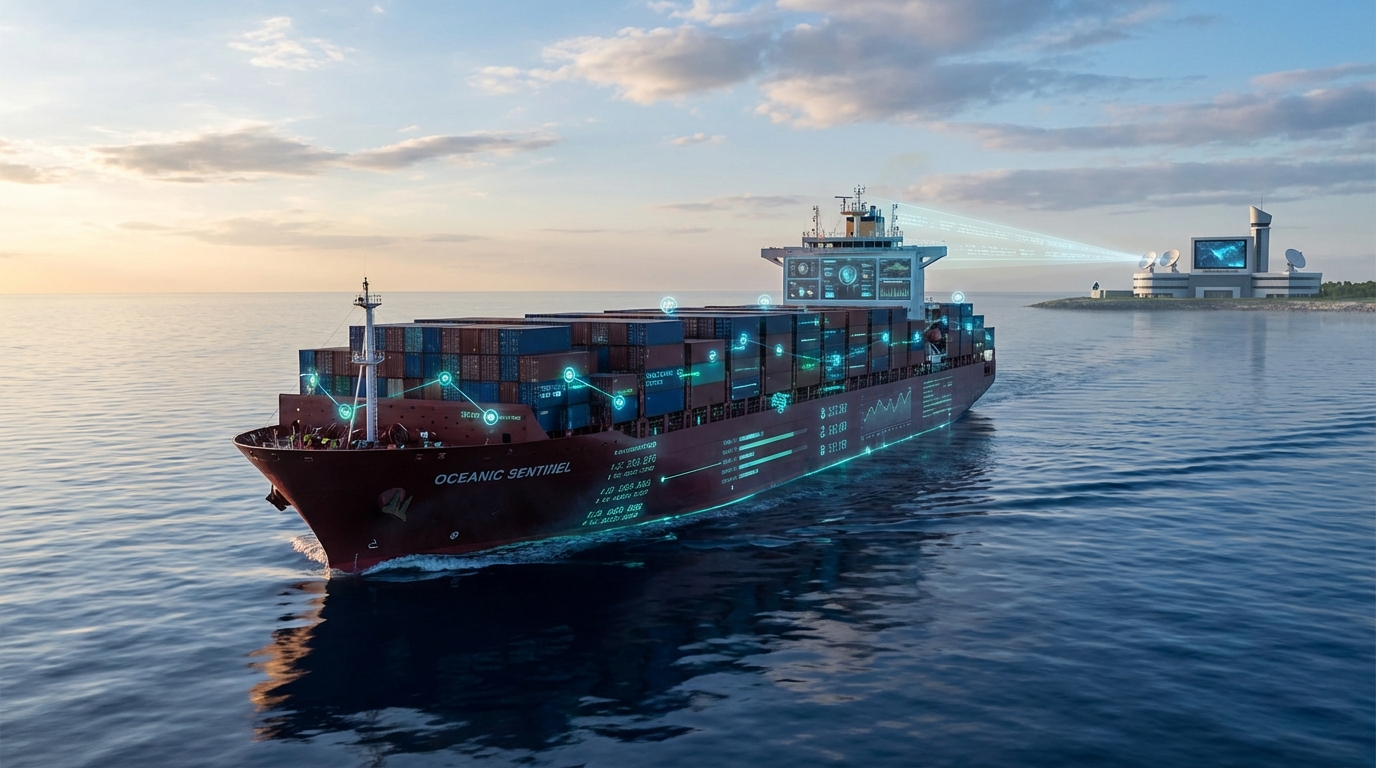
The maritime transport industry plays a critical role in the global economy, with over 80% of international trade being carried by sea. As technology and innovation continue to evolve, the maritime industry is undergoing significant transformations. These advancements not only improve operational efficiency but also contribute to sustainability and environmental responsibility. In this article, we explore the cutting-edge developments in maritime transport and their profound impact on the global industry.
1. The Rise of Autonomous Shipping
One of the most groundbreaking innovations in maritime transport is the development of autonomous ships. These vessels are equipped with sophisticated sensors, cameras, and AI-based systems that allow them to operate without direct human intervention. By leveraging machine learning and artificial intelligence, autonomous ships are expected to reduce human errors, improve safety, and optimize fuel consumption.
Autonomous shipping can significantly reduce operating costs by eliminating the need for crew members, lowering insurance premiums, and minimizing the risk of human-related accidents. Furthermore, the automation of navigation and cargo handling processes enables ships to operate more efficiently, increasing the speed and reliability of shipments.
2. Digitalization and IoT in Maritime Logistics
Another technological breakthrough in the maritime industry is the integration of Internet of Things (IoT) technology and digitalization. Ships are now equipped with sensors that provide real-time data on cargo conditions, weather, fuel levels, engine performance, and vessel health. This data is transmitted to shore-based operations centers, where it is analyzed and used to optimize routes, enhance operational efficiency, and ensure the safety of the vessel.
The use of blockchain technology has also emerged as a promising development in enhancing the transparency and security of maritime logistics. Blockchain enables secure and transparent tracking of goods as they move across the supply chain, reducing paperwork and preventing fraud.
3. Sustainable Shipping: Green Technologies and Eco-Friendly Practices
The maritime industry is under increasing pressure to reduce its environmental footprint. As a result, green technologies are becoming a major focus in shipping innovation. From energy-efficient engines to alternative fuels like LNG (Liquefied Natural Gas) and hydrogen, sustainable shipping solutions are helping to reduce harmful emissions.
In addition to cleaner fuels, the industry is also exploring the potential of wind-assisted propulsion, solar power, and energy-saving devices to enhance fuel efficiency. The introduction of these technologies aligns with global efforts to mitigate climate change and reduce carbon emissions in line with international regulations such as the IMO 2020 sulfur cap.
4. Advanced Cargo Handling and Automation
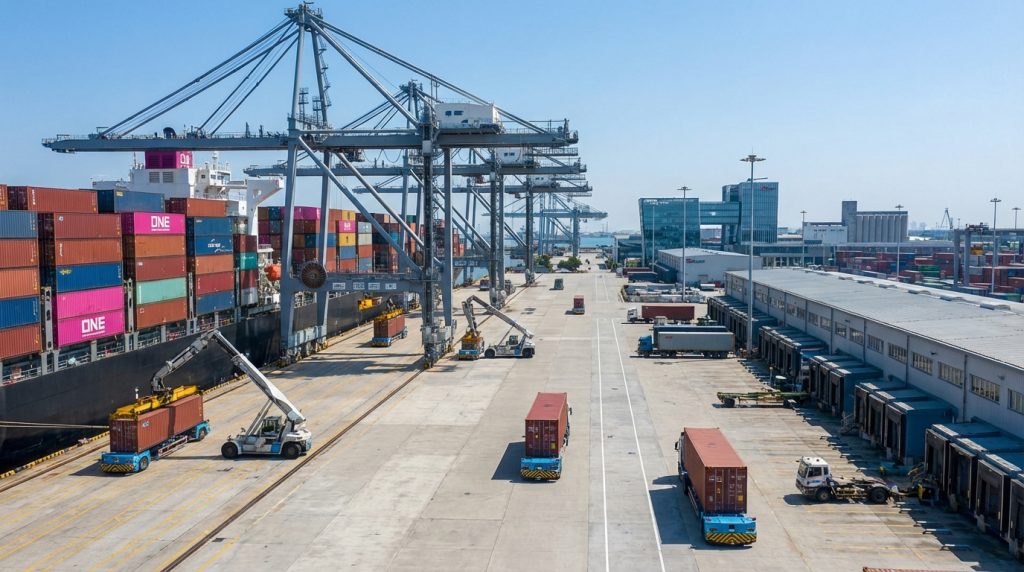
Modern ports are becoming increasingly automated, with technologies such as robotic cranes, automated guided vehicles (AGVs), and drone technology revolutionizing cargo handling. These innovations streamline port operations, reduce congestion, and increase throughput, leading to faster processing times and lower operational costs.
Furthermore, smart ports utilize real-time data and advanced analytics to optimize the flow of goods and enhance operational decision-making. The adoption of big data and machine learning in port management allows for more accurate forecasting, predictive maintenance, and improved supply chain management.
5. The Role of Data Analytics in Maritime Efficiency
Big data and advanced analytics are playing a pivotal role in enhancing the operational efficiency of the maritime industry. With access to vast amounts of data collected from ships, ports, and cargo, maritime companies can use predictive analytics to identify potential issues before they arise, thereby improving the reliability of services.
Data-driven decision-making enables shipping companies to optimize routes, avoid congestion, and reduce fuel consumption. By analyzing factors such as weather patterns, ocean currents, and port congestion, shipping companies can minimize delays and ensure the timely delivery of goods.
6. The Future of Maritime Transport: Trends and Predictions
As the maritime transport industry continues to evolve, we can expect several trends to shape its future. Automation will continue to advance, with the potential for fully autonomous vessels becoming more widespread. Additionally, the focus on sustainability will drive the adoption of greener technologies and eco-friendly practices across the industry.
The integration of AI and machine learning into operational processes will enhance decision-making and efficiency. Furthermore, blockchain and IoT will continue to revolutionize maritime logistics by providing enhanced transparency, security, and real-time tracking capabilities.
As global trade grows and the demand for more efficient and sustainable shipping solutions increases, the maritime industry will undoubtedly continue to innovate and adapt. These technological advancements not only promise to reduce costs and improve efficiency but also offer a sustainable future for the shipping industry, benefiting businesses and the environment alike.